NEMA 4 vs. NEMA 4X: What Is the Difference?
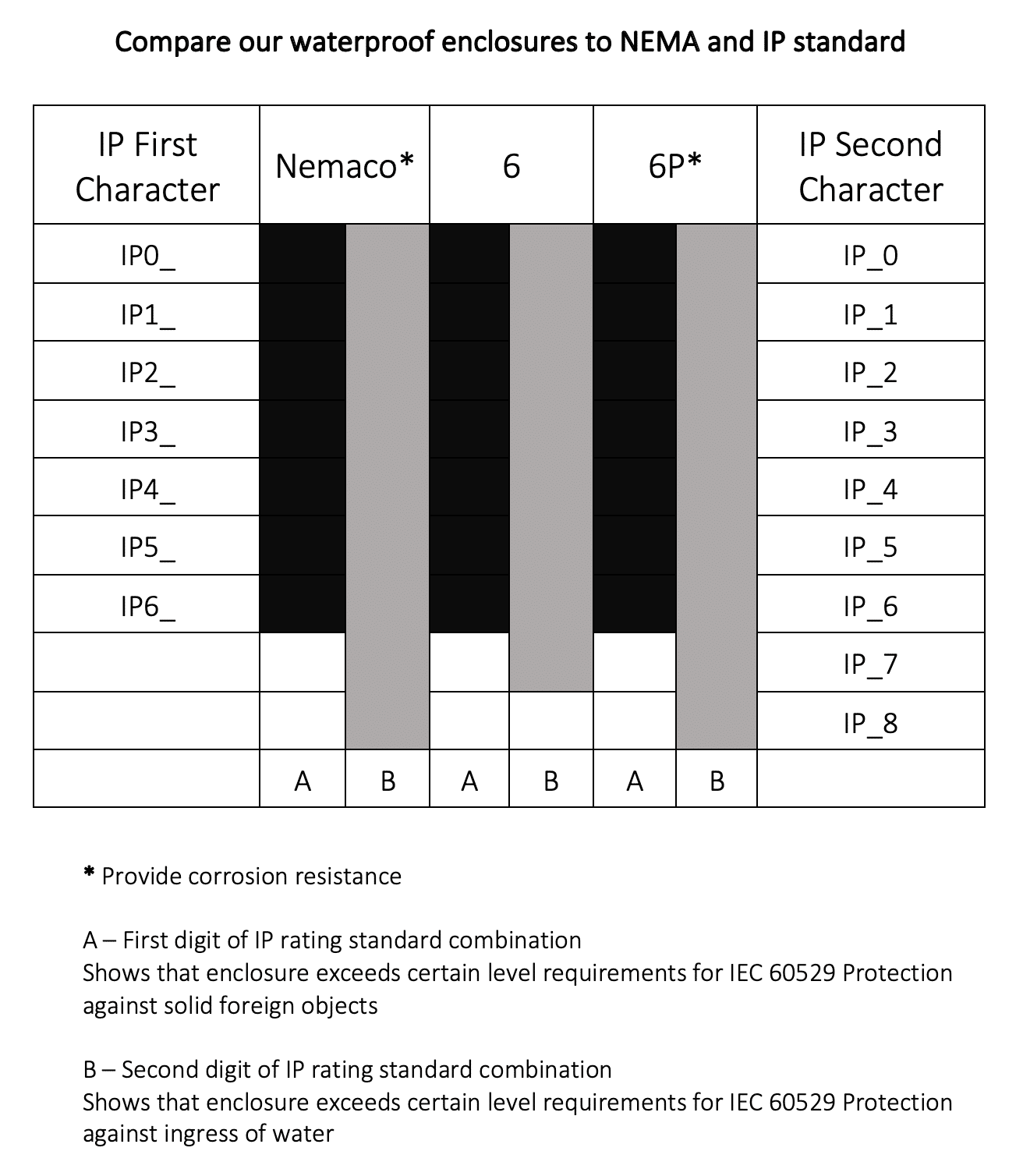
NEMA 4 and NEMA 4X are two of the most widely specified electrical enclosure ratings in industrial applications. Both are defined by the National Electrical Manufacturers Association (NEMA) in the NEMA 250 standard and are rated for indoor and outdoor use in nonhazardous locations. They share the same core protections — against windblown dust, rain, splashing water, hose-directed water, and external ice formation — but differ in one critical area: corrosion resistance.
A NEMA 4 enclosure provides robust environmental protection but is typically constructed from painted carbon steel or galvanized steel. A NEMA 4X enclosure meets all the same ingress protection requirements and adds resistance to corrosion, achieved through the use of materials such as stainless steel, fiberglass, or engineered plastics. The "X" in NEMA 4X specifically designates this additional corrosion protection.
Protection Provided by Both Ratings
Both NEMA 4 and NEMA 4X enclosures are tested and rated to protect enclosed equipment from the following environmental hazards:
- Windblown dust — Sealed gasketing prevents fine particulate from entering the enclosure, even under sustained wind pressure.
- Rain, sleet, and snow — Drip edges, gutters near seals, and tight gasket compression ensure the enclosure sheds precipitation without allowing water intrusion.
- Splashing water — Both ratings withstand water splashed from any direction, making them suitable for washdown environments.
- Hose-directed water — Enclosures hold up to direct water spray from a hose, a key requirement in food processing, manufacturing, and industrial cleaning applications.
- External ice formation — The enclosure continues to function when ice forms on exterior surfaces, and the ice does not compromise the seal integrity.
This shared protection profile makes both ratings suitable for demanding industrial environments where equipment is exposed to water, dust, and temperature extremes. The deciding factor between the two comes down to whether the installation environment includes corrosive elements.
The Key Difference: Corrosion Resistance
The single most important distinction between NEMA 4 and NEMA 4X is corrosion resistance. A standard NEMA 4 enclosure is typically fabricated from carbon steel with a painted or powder-coated finish. While this construction handles water and dust effectively, the steel substrate is vulnerable to corrosion over time — especially in environments with saltwater exposure, chemical fumes, acidic conditions, or high humidity.
NEMA 4X enclosures are manufactured from inherently corrosion-resistant materials. The most common options include:
- 304 Stainless Steel — The standard choice for most corrosive environments. Resists oxidation and withstands exposure to a wide range of chemicals.
- 316 Stainless Steel — Contains molybdenum for enhanced resistance to chlorides and marine environments. Preferred for offshore, coastal, and chemical processing installations.
- Fiberglass (FRP) — Completely non-metallic, offering excellent chemical resistance and electrical insulation. Lightweight and ideal for applications where metal enclosures are impractical.
This material difference means that a NEMA 4X enclosure can be deployed in environments where a standard NEMA 4 would degrade, including coastal facilities, wastewater treatment plants, food and beverage production lines, pharmaceutical cleanrooms, and chemical processing areas.
NEMA 4 Applications
NEMA 4 enclosures are an excellent choice for indoor and outdoor industrial installations where corrosion is not a primary concern. Typical applications include:
- Manufacturing floors — Protecting PLCs, motor starters, and control panels from coolant spray, metal shavings, and airborne dust generated by CNC machining and fabrication processes.
- Warehouses and distribution centers — Shielding electrical equipment from roof leaks, condensation, and forklift washdown spray.
- Outdoor utility installations — Housing electrical controls in locations exposed to rain and wind but not corrosive chemicals.
- Construction sites — Temporary power distribution where enclosures face dust, rain, and hose-directed water during site cleanup.
NEMA 4 enclosures are constructed with drip edges or gutters near the door seals to channel water away from gasket surfaces. Quality seal gaskets and secure door clamping mechanisms ensure a watertight closure under sustained water exposure. These construction features make NEMA 4 enclosures reliable workhorses for general-purpose industrial environments.
NEMA 4X Applications
NEMA 4X enclosures are specified whenever the operating environment includes corrosive agents in addition to water and dust. Typical applications include:
- Food and beverage processing — Equipment enclosures must withstand daily washdowns with caustic cleaning agents, sanitizers, and high-pressure hot water. Stainless steel NEMA 4X enclosures are the industry standard in these facilities.
- Marine and offshore installations — Saltwater spray and salt-laden air accelerate corrosion on carbon steel. 316 stainless steel NEMA 4X enclosures resist chloride attack and maintain structural integrity in these harsh environments.
- Chemical and petrochemical plants — Acid fumes, caustic vapors, and chemical splashes demand enclosures that will not pit, rust, or degrade over the equipment lifecycle.
- Wastewater treatment facilities — Hydrogen sulfide and other corrosive gases present in treatment processes make corrosion-resistant enclosures essential for long-term reliability.
- Pharmaceutical and cleanroom environments — Stainless steel NEMA 4X enclosures support sanitary requirements while protecting sensitive instrumentation.
- Outdoor coastal or tropical installations — High humidity combined with salt air creates conditions that rapidly corrode unprotected steel enclosures.
NEMA 4 vs. NEMA 4X Comparison
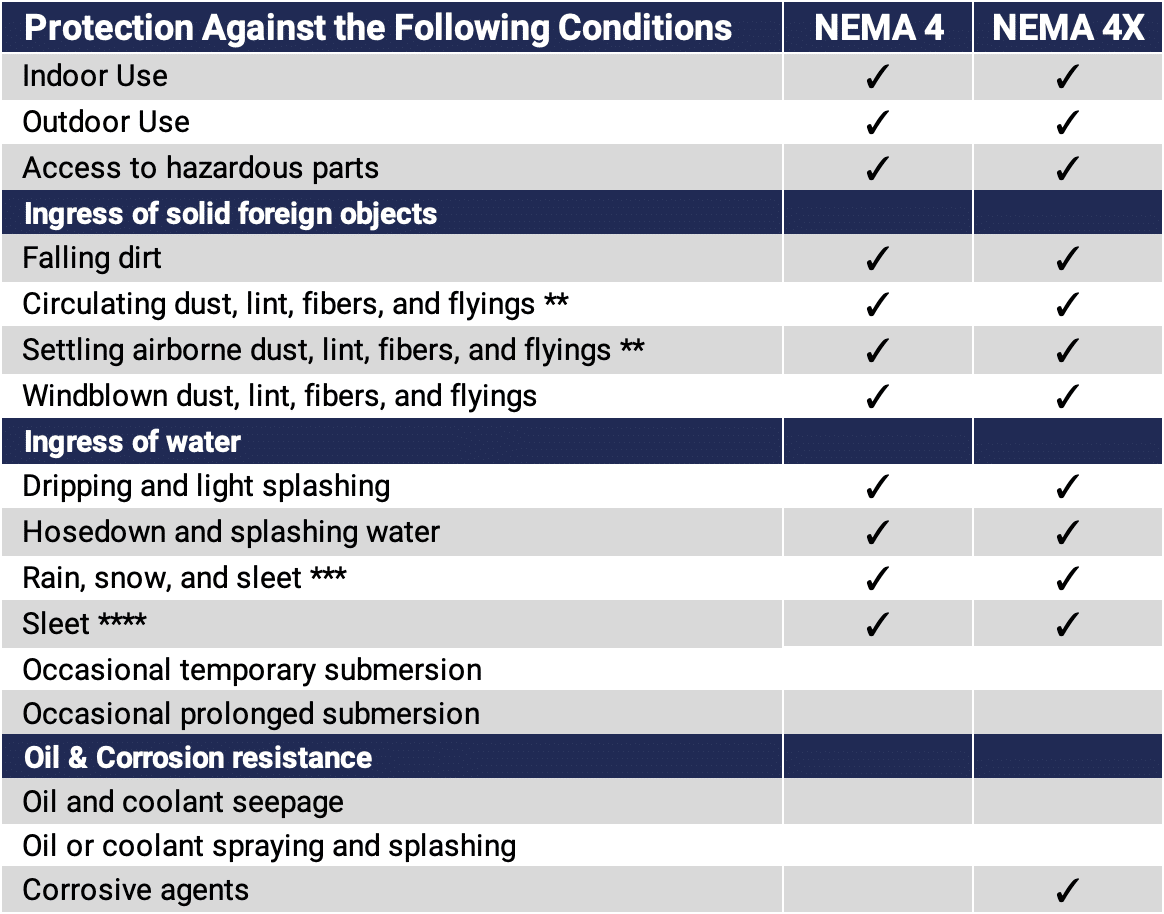
| Feature | NEMA 4 | NEMA 4X |
|---|---|---|
| Indoor use | Yes | Yes |
| Outdoor use | Yes | Yes |
| Windblown dust protection | Yes | Yes |
| Rain, sleet, snow protection | Yes | Yes |
| Splashing water protection | Yes | Yes |
| Hose-directed water protection | Yes | Yes |
| External ice formation protection | Yes | Yes |
| Corrosion resistance | No | Yes |
| Typical materials | Carbon steel, galvanized steel | Stainless steel (304/316), fiberglass |
| Cost | Lower | Higher |
| Weight (same size) | Heavier (steel) | Varies by material |
How to Choose Between NEMA 4 and NEMA 4X
Selecting the right enclosure rating starts with understanding the installation environment. Ask these questions during the design phase:
- Will the enclosure be exposed to corrosive chemicals, salt spray, or caustic washdown agents? If yes, specify NEMA 4X.
- Is the installation in a coastal, marine, or high-humidity environment? If yes, NEMA 4X with 316 stainless steel is recommended.
- Is the environment primarily indoor with water and dust exposure but no corrosive agents? NEMA 4 is typically sufficient and more cost-effective.
- What is the expected service life? In borderline environments, NEMA 4X may offer lower total cost of ownership by avoiding premature enclosure replacement due to corrosion.
When in doubt, NEMA 4X provides a wider margin of protection. The upfront cost premium is often justified by extended service life and reduced maintenance in environments where even minor corrosive exposure is possible.
Nemaco NEMA 4 and NEMA 4X Enclosures
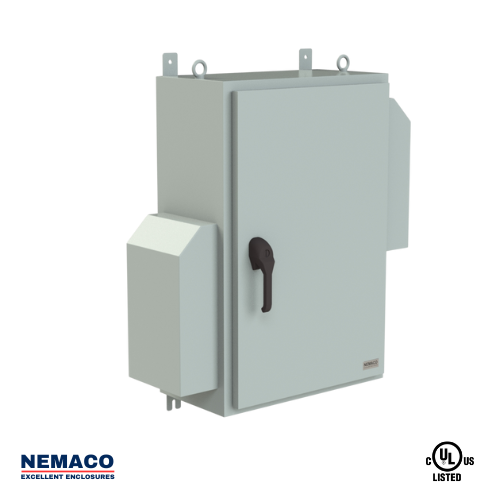
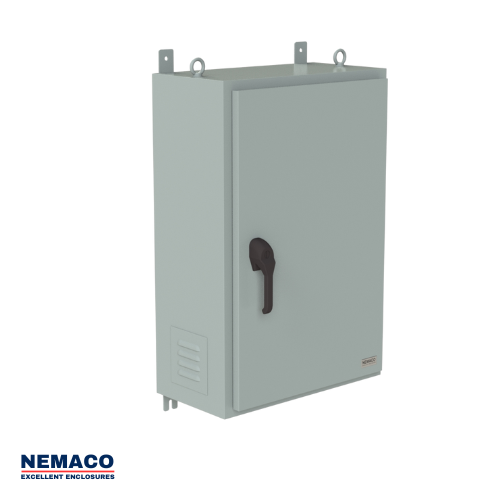
Nemaco manufactures both NEMA 4 and NEMA 4X enclosures in a full range of sizes and configurations, including wall mount, floor mount, and free standing models. All Nemaco enclosures carrying these ratings are UL listed to UL 50 and UL 50E standards, with cUL listing per CSA C22.2 No. 94.
Available in stainless steel, galvanized steel, and fiberglass, Nemaco enclosures are built to meet the exact protection requirements of your application. Whether you need a junction box for a single connection point or a full-size electrical control cabinet for a complex system, the right NEMA rating ensures your equipment stays protected for the long term.
Need help selecting the right enclosure rating for your project? Contact our engineering team or request a quote to get started.